Arkusi: A Dynamic Script Font for Modern Web and Digital Design
As a web designer, choosing the right typeface can make or break a digital layout. Arkusi stands out as a script font that brings both elegance and functionality to the table. With its flowing baseline and expressive characters, it’s designed to elevate brand-driven web experiences without compromising readability. Whether you're crafting a landing page, designing an online store, or building a creative portfolio, Arkusi offers a unique personality that supports both visual hierarchy and user engagement.
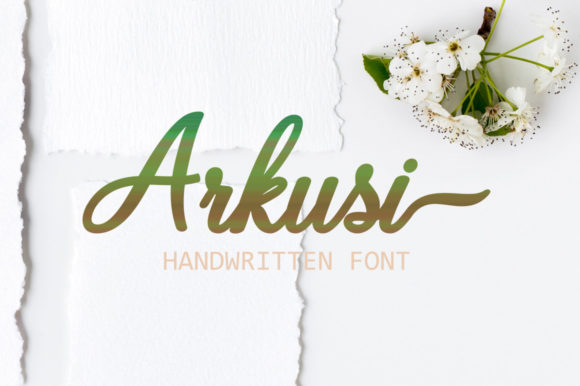
Arkusi belongs to the Script Amp category, making it ideal for use as a display font in branding and web design. Its PUA encoding ensures easy access to alternate glyphs and swashes, giving designers full control over stylistic elements. This is especially useful when you need to create custom headers, logo text, or decorative accents that align with a brand’s tone. Unlike overly ornate script fonts, Arkusi maintains a clean rhythm that works well in digital spaces where clarity is key.
How Arkusi Enhances Digital Readability and Brand Tone
One of the first things I noticed when using Arkusi in live web layouts was how well it balanced decorative flair with legibility. Script fonts often struggle with readability on screen, especially at smaller sizes. Arkusi, however, maintains clear character spacing and open forms, making it effective for hero titles, call-to-action buttons, and short phrases that guide user behavior.
When used for a coaching website or product landing page, Arkusi communicates a tone of creativity and professionalism. It pairs particularly well with minimalist sans serif fonts like Montserrat or Open Sans, allowing for a strong visual contrast between headlines and body text. This kind of font pairing helps establish a clear hierarchy, guiding the user’s eye through the layout in a natural way.
Practical Uses for Arkusi in Web Design
- Hero Sections: Arkusi shines in large-scale headers where it can command attention without overwhelming the layout.
- Call-to-Action Buttons: When used for short text like “Get Started” or “Learn More,” it adds a touch of elegance without sacrificing clarity.
- Logo and Brand Text: The font’s distinctive baseline movement makes it a great choice for logo design and brand signatures.
- Social Media Graphics: From Instagram stories to Pinterest pins, Arkusi adds a premium feel to digital marketing visuals.
- Online Store Banners: Whether for Shopify or WooCommerce, Arkusi brings a boutique aesthetic to e-commerce banners and promotional graphics.
For digital product creators and SaaS founders, Arkusi works well in course sales pages, portfolio sites, and branded content sections. It’s especially effective when you want to convey a sense of creativity and craftsmanship—think freelance designer portfolios, artisanal product pages, or personal branding kits.
Responsive Design and Readability Tips
When integrating Arkusi into responsive layouts, it’s important to consider how it behaves across screen sizes. On mobile devices, I recommend using it sparingly—primarily for headlines and accent text—rather than long paragraphs. This ensures the font remains legible without causing visual strain.
For dark or light backgrounds, test Arkusi in both settings to find the right contrast. It performs well on light backgrounds, especially when paired with soft shadows or subtle outlines for image overlays. On dark backgrounds, increasing letter spacing slightly can help maintain clarity. Also, avoid using it for small buttons or navigation menus unless the context is decorative and not mission-critical.
Font Pairing Strategies for Web Design
One of the most effective ways to use Arkusi in digital design is through strategic font pairing. Since it’s a decorative script font, pairing it with a clean sans serif or serif font creates a strong visual balance. For example:
- Headline: Arkusi
- Body Text: Lato or Roboto
- Subheadings: Merriweather or Playfair Display
This combination allows Arkusi to stand out as a design element while ensuring the rest of the content remains easy to scan. For editorial-style websites or blogs, using a serif font for subheadings adds a refined touch that complements Arkusi’s organic flow.
What to Look for When Using Arkusi in Web Projects
Before embedding Arkusi into a live website or client project, it’s important to check the available file formats and webfont support. Most modern script fonts like Arkusi come with WOFF and WOFF2 formats, which are optimized for web performance. Make sure the package includes multiple weights and alternates, so you can customize the font based on layout needs.
Also, verify multilingual support if your website caters to an international audience. Arkusi typically supports Western European languages, which covers most English, French, Spanish, and German content. However, if your project requires Cyrillic or Asian language support, confirm that the font version you’re using includes those characters.
Commercial Licensing and Usage Rights
As with any premium font, it’s crucial to understand the licensing terms before using Arkusi in commercial projects. Most script fonts are sold with different licenses based on usage:
- For personal use, many fonts are available for free or at a low cost.
- For client websites, online stores, or digital templates, you’ll likely need a commercial license.
- If you're embedding the font in a SaaS product or mobile app, check for extended licensing options.
Always download Arkusi from trusted sources like MyFonts, Creative Market, or official font foundries to ensure you’re getting a properly licensed and updated version. This helps avoid legal issues and ensures the font performs well across different platforms and devices.
Final Thoughts on Using Arkusi for Digital Design
Arkusi is more than just a decorative typeface—it’s a functional design asset that enhances brand identity and user experience. Its unique baseline movement and PUA-encoded glyphs make it versatile for a range of digital applications, from landing pages to logo design. By understanding its strengths in readability, visual hierarchy, and font pairing, web designers can leverage Arkusi to create more engaging and professional digital experiences.
Whether you're designing a boutique Shopify store, a personal blog, or a SaaS landing page, Arkusi offers the right balance of style and usability. When used thoughtfully, it becomes a key part of a consistent online identity that resonates with users and reinforces brand trust.