Little Tooth Font: Adding Charm to Handmade Labels, Invitations & More
A Real Maker Moment: Designing with Little Tooth
It was a crisp morning, and I was prepping labels for a new line of soy candles. I opened my design software, selected Little Tooth, and typed “Lavender Fields” for the first label. The result was immediate—soft, personal, and full of character. Little Tooth transformed a simple product label into something that felt handmade, even before I printed it.
What Makes Little Tooth Unique
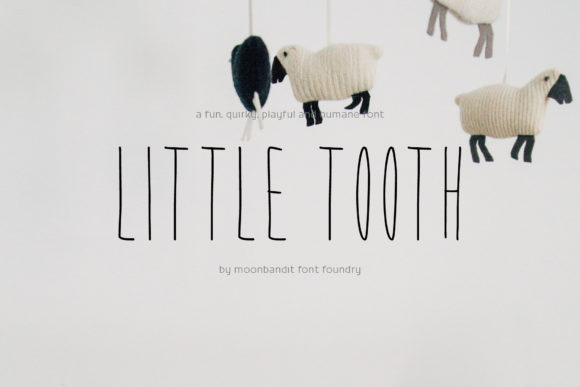
Little Tooth is a thin, lettered handwritten font with a clean yet expressive style. It’s designed to feel authentic and warm, making it perfect for chalkboard quotes, greeting cards, or wedding invitations. Each character carries a subtle imperfection that mimics real handwriting, giving your designs a human touch without looking overdone.
Its thin strokes and open spacing make it ideal for short phrases, titles, and decorative text. It’s not meant for long paragraphs, but that’s exactly what makes it shine as a display font for product labels, boutique tags, and digital printables.
Bringing Little Tooth to Life on Real Products
I recently used Little Tooth on a set of greeting cards for a spring collection. I paired it with a simple sans serif for the body text, and the contrast gave the cards a polished, boutique feel. The font’s delicate strokes stood out beautifully on pastel paper, and the handwritten charm made each card feel like a personal note rather than a mass-produced item.
For a local wedding, I designed a welcome board using Little Tooth. The font’s whimsical yet legible style made it easy to read from a distance while keeping the overall look soft and romantic. It worked equally well on digital mockups and printed signage, proving its versatility across formats.
Uses for Little Tooth in Handmade Businesses
- Candle labels: Perfect for adding a personal touch to small-batch candles.
- Greeting cards: Gives handwritten charm to titles and messages.
- Wedding stationery: Ideal for invitations, name tags, and seating charts.
- Boutique tags: Adds a unique, custom feel to product hangtags and packaging.
- Printable wall art: Works beautifully for quotes and nursery decor.
- Digital downloads: Great for planner pages, social media templates, and Canva designs.
- Mugs & tote bags: Adds a minimalist, modern script look to custom merchandise.
Why Font Choice Matters for Makers
The right font can elevate your product’s presentation and help establish a consistent brand identity. Little Tooth brings a sense of authenticity that resonates with customers who value handmade and small-batch goods. It’s not just about aesthetics—it’s about telling a story through your design choices.
When I added Little Tooth to my shop’s seasonal tags, customers began commenting on the “thoughtful details” in my packaging. That’s the kind of emotional appeal that can set your products apart in a crowded market.
Readability and Practical Design Tips
Because Little Tooth is a thin, handwritten font, it’s best used at medium to large sizes. For cutting machines like Cricut or Silhouette, make sure to adjust stroke settings to maintain clarity, especially for small stickers or tags.
When printing, test your font size on a sample label or card stock before mass production. I found that using a slightly larger size (around 14–16pt) helped preserve legibility without losing the font’s delicate charm.
Pairing Little Tooth with Other Fonts
Font pairing is key to creating visual harmony in your designs. I often pair Little Tooth with a clean sans serif like Montserrat or Lato for balance. For a more rustic look, a simple serif like Playfair Display complements it beautifully. If I’m designing a playful kids’ printable, I might use another script font in a bolder style for headings or accents.
Experimenting with font pairings can help you build a signature style that makes your shop instantly recognizable. Little Tooth is versatile enough to work with many styles, making it a smart addition to your design toolkit.
What to Check Before Using Little Tooth Commercially
Before using Little Tooth in your products, always verify the font’s licensing terms. Most premium fonts, including Little Tooth, offer commercial use rights, but it’s important to understand the scope—especially if you're selling printables, SVG files, or physical merchandise.
Check for included styles like alternates, ligatures, and swashes. I found that having access to multiple character variations helped me customize each design without repeating the same look. Also, confirm that the font supports multilingual characters if you plan to sell internationally or offer designs in multiple languages.
Final Thoughts: A Font That Feels Like Home
Whether you're designing seasonal tags, printable wall art, or wedding invitations, Little Tooth brings a personal, handmade feel to your work. It’s a Script Amp font that bridges the gap between digital design and tangible charm, making your products feel more thoughtful and intentional.
As a maker, I’m always looking for design tools that help me connect with my audience. Little Tooth isn’t just a font—it’s a creative companion that adds warmth, personality, and professionalism to every project it touches.